South Carolina Faith Leaders Rally Against Casino and Sports Betting Bills
In South Carolina, a new year means a fresh campaign for gambling. Strong hostility from religious organizations is another consequence.
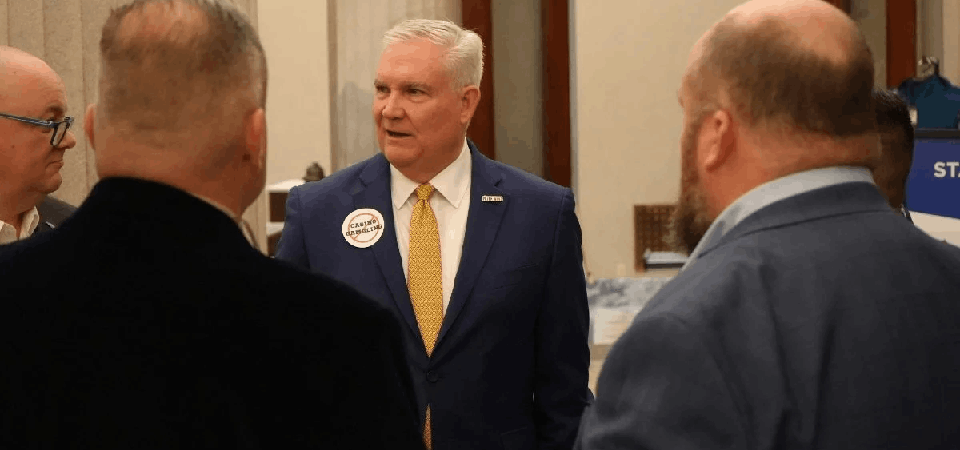
The annual "Pastor's Day at the Capitol" was hosted in Columbia on Wednesday by a group of religious organizations and church leaders. The annual event takes place at the beginning of the session of the South Carolina Legislature.
Although no gaming legislation was introduced during the first two days of the session, several politicians have stated that they will soon present legislation to permit sports betting and casino gambling in the Palmetto State. More than 175 pastors from 11 different faiths came together for "Pastor's Day" in South Carolina to unify against casino gambling, according to Faith Wins, a nonprofit organization devoted to "activating and mobilizing" religious leaders in the political sphere.
"Christians will not stand for policies that exploit communities and weaken families,” the organization declared. “When people of faith unite to stand for their communities and speak truth with conviction, faith wins.”
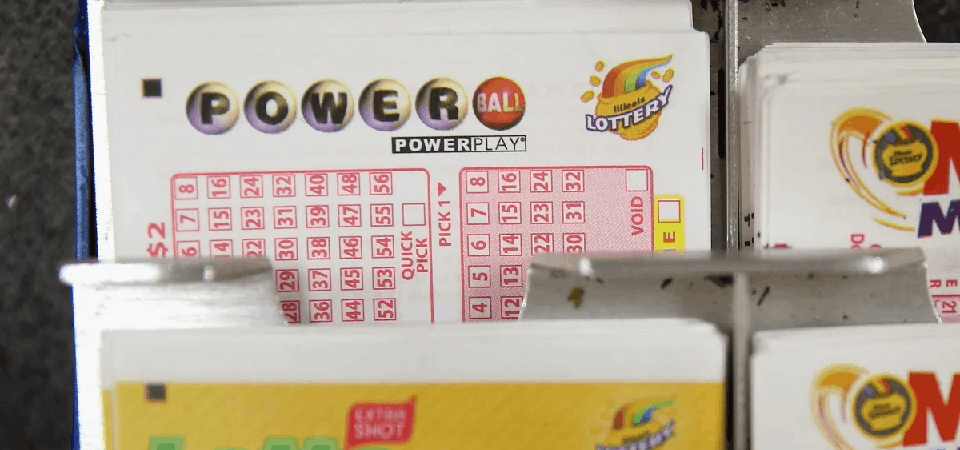
All kinds of gambling are prohibited in South Carolina, with the exception of the state-run lottery. These include parimutuel wagering, video lottery machines, casinos, racinos, iGaming, sports betting, and charitable gaming.
Casino Bill Somewhere along Interstate 95, the main route that crosses the state from North Carolina to Georgia, State Representative Bruce Banister (R-Greenville) intends to introduce legislation legalizing a Las Vegas-style casino resort. The law is anticipated to include a proposed 35% tax on gross gaming revenue and set aside a large portion of state tax revenue for environmental and land conservation.
Wallace Cheves, a well-known billionaire and Republican megadonor, has long advocated for the introduction of casino gaming in South Carolina. The federally recognized Native American group moved the project to Kings Mountain, North Carolina, after state officials objected to his attempt to construct a tribal casino with the Catawba Indian Nation. After the National Indian Gaming Commission (NIGC) determined that the Two Kings Casino would largely benefit Cheves rather than the tribe, federal officials subsequently forced Cheves to leave the project.
The "Corridor of Shame," an underprivileged area along the interstate that includes portions of Orangeburg, Dillon, and Marlboro counties, is where Banister has suggested building a casino.According to Cheves, a casino might bring in over $100 million in taxes annually, of which $35 million would go toward protecting forests and agriculture.
Thirty percent would go to the Veterans' Trust Fund, twenty-six percent would go to the state's General Fund, and five percent would remain with the host county. The remaining thirty-five percent would be set aside for conservation. The counties along the I-95 corridor that qualify would receive the remaining 4%.
Influence of Faith
Bannister's casino measure is opposed by Gov. Henry McMaster (R), religious leaders, and legislators who cast their votes based on their religious beliefs. The governor claims he is unwavering in his opposition to sports betting and casinos.
South Carolina is the second most religious state, after Mississippi, according to Pew Research's 2025 report. In South Carolina, 57% of respondents say they pray every day, and 46% say they are "highly religious."